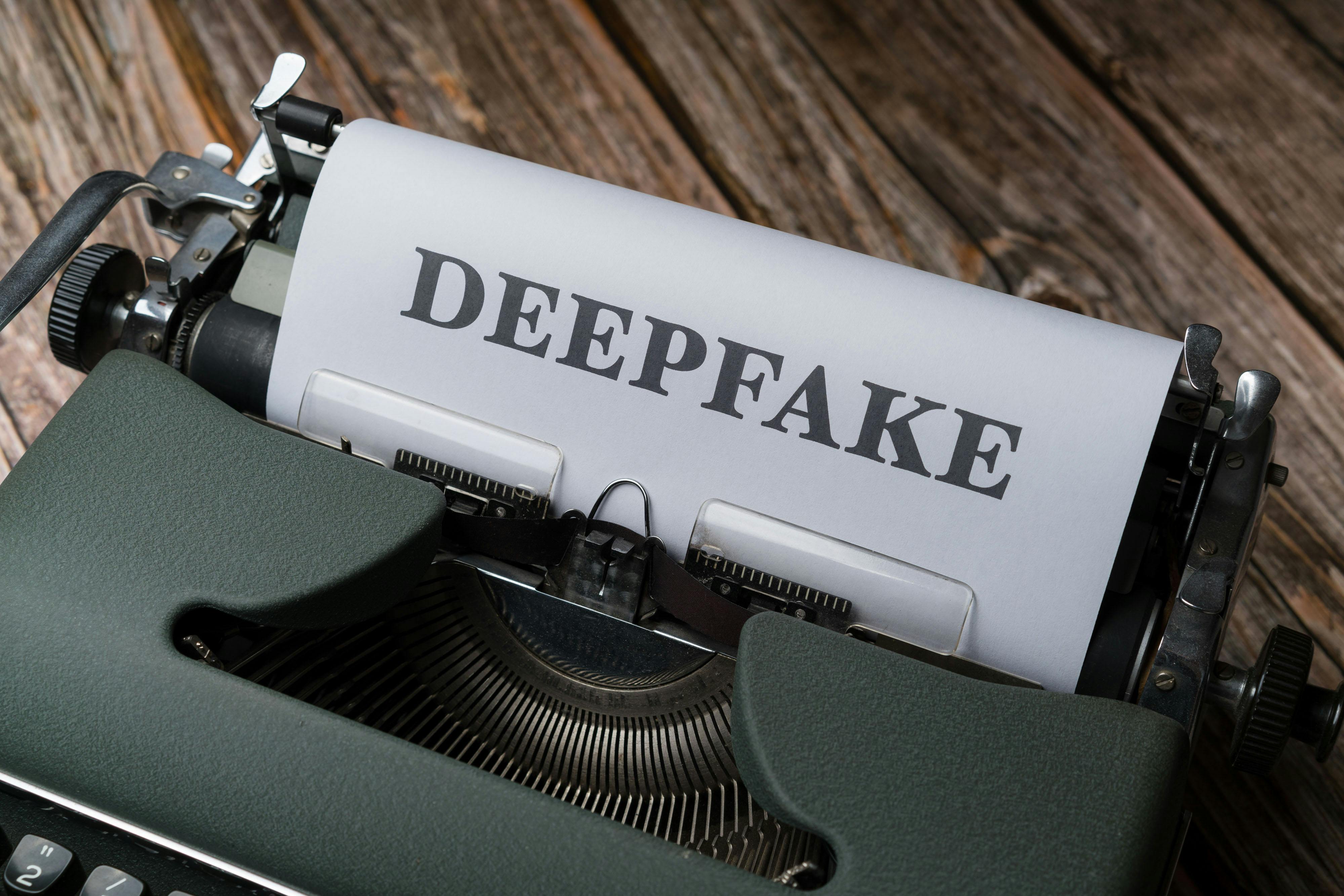
Quick context: India Tightens Deepfake Oversight, Mandates Faster Takedowns
India Tightens Deepfake Oversight, Mandates Faster Takedowns is best understood as a focused technology brief: useful for context, but strongest when the claim stays tied to the information available in the source.
Key takeaways
- Separate the confirmed source claim from broader market speculation.
- Watch how the update could affect users, developers, customers or competitors.
- Treat early announcements, funding news and partnership reports as signals, not guarantees.
- For security, business or investment decisions, use primary documentation and qualified guidance.
What happened
The source points to india tightens deepfake oversight, mandates faster takedowns. This update keeps the scope clear and avoids adding unsupported numbers, quotes, names or timelines.
When a tech source is brief, the useful move is to explain what the update could mean, what remains uncertain and what readers should watch next.
Why it matters
AI stories matter because product decisions, model access and platform partnerships can quickly affect developers, businesses and everyday users.
That matters for readers because technology headlines often compress business strategy, product execution and user impact into a few words.
AI context
A careful reading starts with the practical question: who is affected if this update becomes more important? The answer may be consumers, developers, enterprise buyers, regulators, creators or competing platforms.
The stronger SEO value comes from clear explanation rather than hype. A serious tech blog should help readers understand the issue without pretending that one short source answers everything.
Reader checklist
- Identify the company, product, market or technology involved.
- Separate confirmed facts from possible implications.
- Watch for follow-up details from primary sources or official product pages.
- Be cautious with investment, legal, security or procurement decisions based on a single brief update.
Related Tech Trends Daily reads
- More AI updates and context
- Software, cloud and platform stories
- Startup and business technology reads
- Cybersecurity briefs and risk context
FAQ
Is this a complete technical analysis? No. It is a reader-friendly brief based on the available source title and summary context.
Should readers treat this as advice? No. It is general technology context, not legal, financial, security or procurement advice.
Why keep the article cautious? Because tech headlines often change as companies publish more details, clarify partnerships or update products.
Bottom line: India Tightens Deepfake Oversight, Mandates Faster Takedowns matters because it gives readers a clearer way to understand where technology, products and platform strategy may be heading.
Tech note: This technology article is informational and based on the available source context. It does not provide legal, financial or security advice.