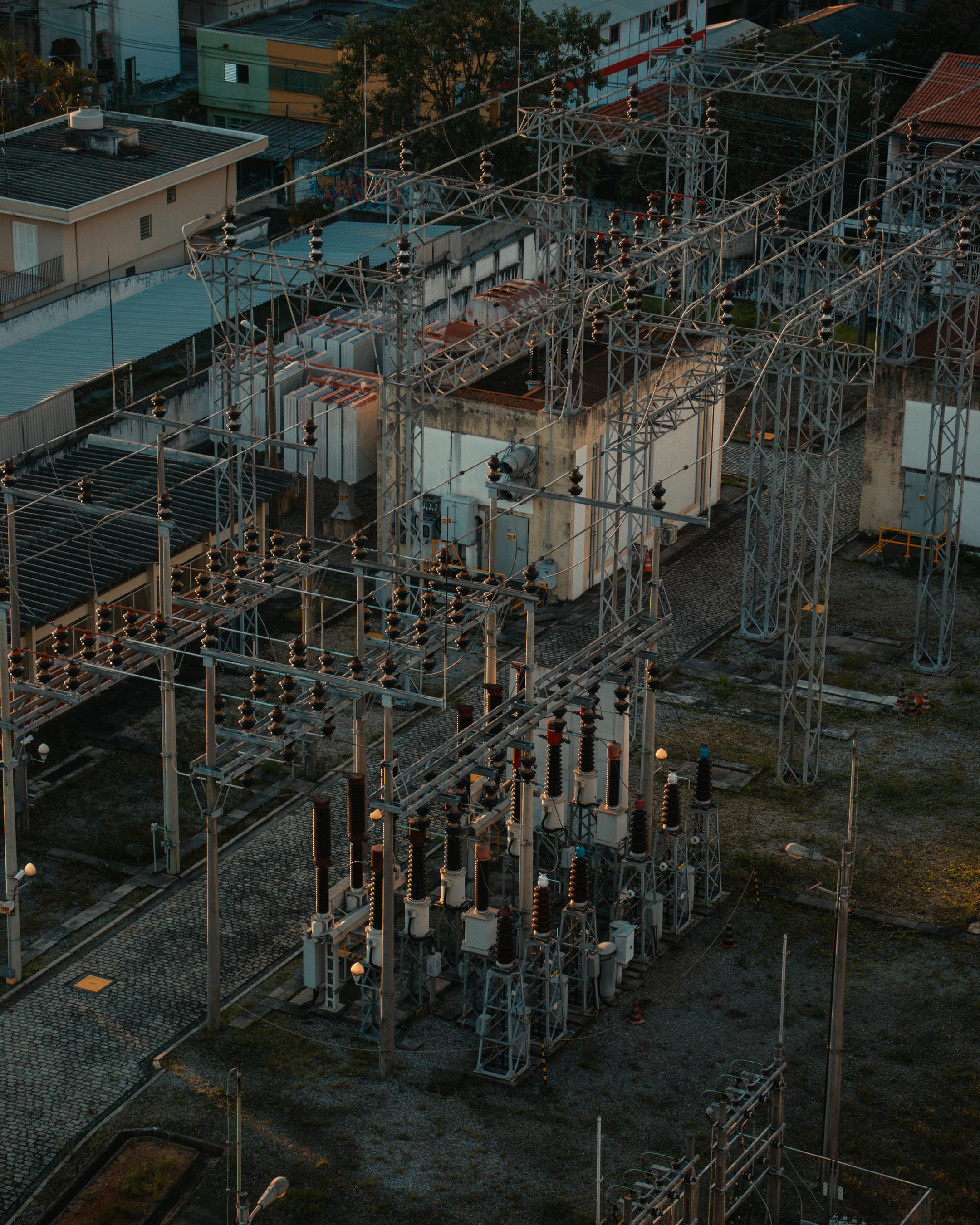
FERC Fast Tracks AI Data Centers to Power Grid Amid Supply Concerns
Quick read below — save or share if useful.
The Federal Energy Regulatory Commission (FERC) has recently directed grid operators to prioritize interconnections for data centers, marking a significant shift in how these facilities access power from the electrical grid. This new policy aims to provide a "fast lane" for data centers, which are crucial for housing the IT infrastructure that supports numerous digital technologies. However, the announcement has also raised concerns regarding the overarching electricity supply issues that might not be adequately addressed by merely expediting connections.
Understanding the Context of Data Centers
Data centers are the backbone of the digital economy, hosting everything from websites and applications to cloud services and storage solutions. As demand for online services surges, particularly with the rise of remote work and e-commerce, the capacity of these facilities to connect efficiently to the grid becomes increasingly important. Rapid connections can ensure lower latency and improved service reliability, both of which are essential for businesses relying on consistent online performance.
The FERC Directive: What It Entails
The recent directive by FERC aims to streamline the process for data centers to connect to the power grid. This involves creating a more efficient framework where grid operators prioritize these interconnections, ideally reducing the time it takes for new facilities to come online. While this could facilitate quicker expansion and scalability for digital operations, critics note that the broader context of electricity supply sustainability remains unaddressed.
Electricity Supply Shortages: An Ongoing Challenge
One of the critical challenges highlighted by the FERC’s announcement is the underlying issue of electricity supply shortages in certain regions. While facilitating faster connections may help individual data centers, it does not necessarily ensure that there is enough electricity available to meet the needs of these increasingly power-hungry facilities. As technology continues to evolve, the consumption of energy by data centers has become a pressing concern, necessitating a comprehensive approach that includes sourcing more renewable energy and improving grid resilience.
The Implications for the Tech Industry
This policy change could have notable implications for the tech industry as a whole. Startups and established companies alike may find it easier to deploy their services, potentially leading to an influx of innovations and offerings in the market. However, it raises questions about long-term sustainability and energy management practices that companies must adopt to ensure they do not contribute to existing supply constraints.
Practical Takeaways
- FERC's new policy facilitates quicker interconnections for data centers.
- Businesses should prepare for potential energy supply limitations despite faster connections.
- Long-term planning for sustainable energy solutions is crucial for data center operations.
- Innovation in energy sourcing, including renewables, may become more important.
- Stakeholders should engage in discussions about grid management to address supply challenges.
FAQ
What is the FERC directive about data centers? The FERC directive allows data centers to have expedited interconnections to the electrical grid to enhance efficiency.
How does this impact electricity supply? While it speeds up connections, it doesn't address potential electricity supply shortages, which remain a concern for expanding data center capabilities.
Why is this policy significant? It highlights the need for improved access to power for data centers, essential for supporting the growing demands of the digital economy, while also emphasizing the importance of sustainable energy practices.
In conclusion, the FERC's initiative to provide data centers with a fast track to the power grid is a vital step in supporting the burgeoning digital infrastructure. However, as the demand for energy continues to rise, addressing the underlying supply challenges will be critical to ensuring that this progress does not lead to further complications in electricity availability. Balancing quick access with sustainable energy practices will be crucial for the future of technology and the overall health of the grid.
This article is part of the digital publishing network created by Ciro Irmici. Explore the creator portfolio here: Ciro Irmici Portfolio.
- 𝕏 Twitter: @0_Simone_0
- 🎥 YouTube: Audiobook Free – Author Ciro Irmici
- 📸 Instagram: @spartaco_94_
- 💻 Tech Trends: techtrendspins.blogspot.com
- 💪 Fitness Home Journal: fitnesshomejournal.blogspot.com
- 🐾 Pet Care Inspo: petcareinspo.blogspot.com
- 🌍 Nomad Vibes Board: nomadvibesboard.blogspot.com
- 💰 Crypto Radar Board: cryptoradarboard.blogspot.com
- 🌱 Green Planet Pins: greenplanetpins.blogspot.com
- 🥗 Healthy Eats Board: healthyeatsboard.blogspot.com
Enjoyed this post? Share it or explore more across my blogs and channels.