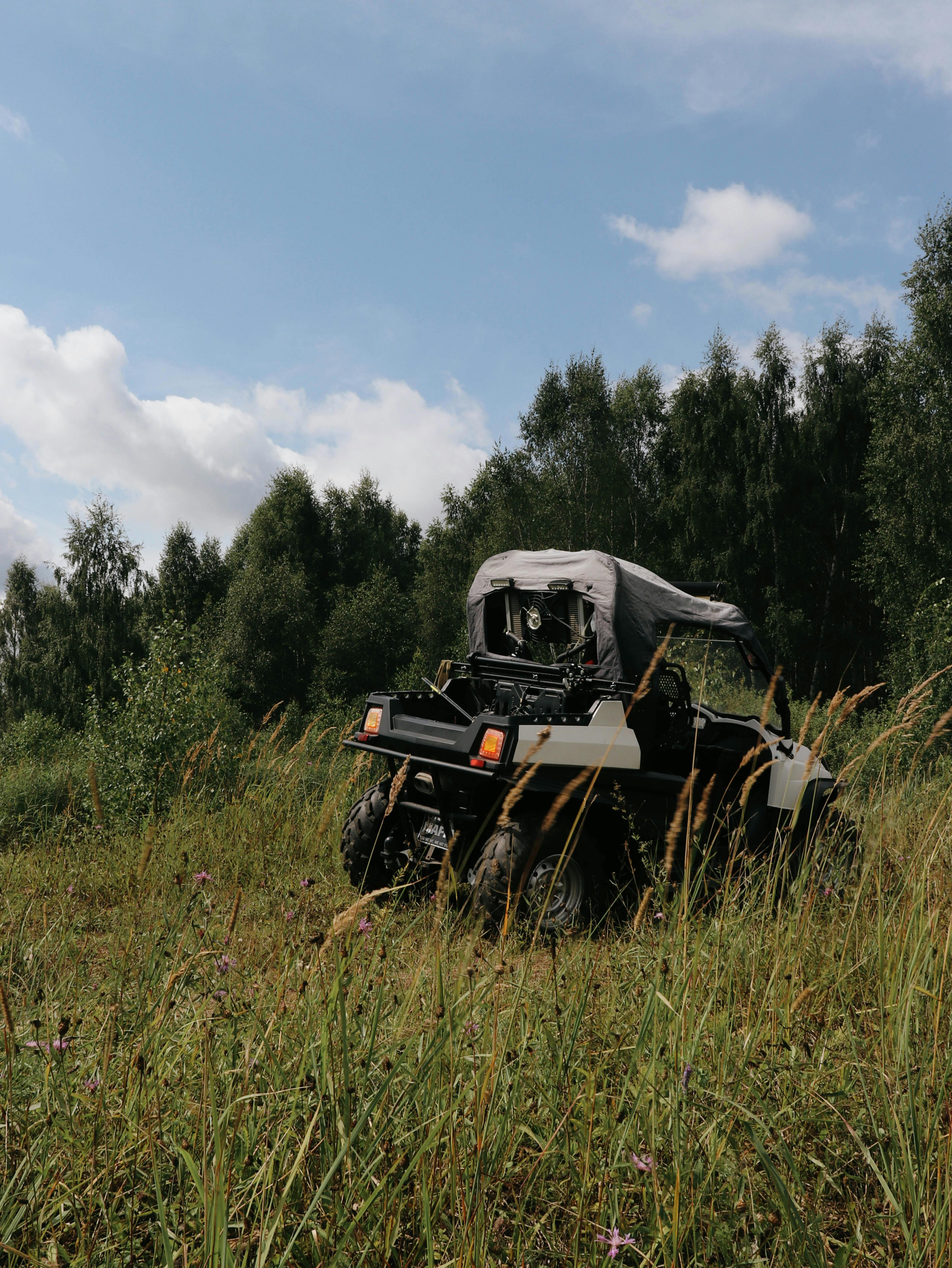
American Autonomous ATVs Revolutionizing Warfare in Ukraine
Quick read below — save or share if useful.
The deployment of autonomous ground vehicles in war zones is reshaping modern combat dynamics. At the forefront of this technological revolution is Forterra, a company that has introduced over 100 self-driving all-terrain vehicles (ATVs) in the conflict zones of Ukraine. These vehicles symbolize a significant advancement in military capabilities, emphasizing the importance of innovation on the battlefield.
The Rise of Autonomous Vehicles in Conflict Zones
Autonomous vehicles have steadily garnered attention across various industries, but their application in warfare represents a unique intersection of technology and strategy. In Ukraine, Forterra's self-driving ATVs are primarily being utilized for logistics and supply chain purposes, enhancing operational efficiency. By handling terrain management and supply transportation, these vehicles reduce the risks posed to human operators while maximizing the effectiveness of military resources.
Operational Capabilities of Forterra's ATVs
Forterra’s autonomous ATVs are designed to navigate rugged and unpredictable terrains commonly found in conflict zones. Equipped with advanced sensors and navigation systems, they can operate without direct human control, making them invaluable in scenarios where human presence might be hazardous. Their multifunctionality allows them to execute a variety of tasks ranging from transporting troops and equipment to delivering supplies in challenging environments.
Implications for Military Strategy
Integrating autonomous ATVs into military operations suggests a shift toward more technology-driven strategies. This evolution allows for more strategic planning, as these vehicles can tirelessly perform duties while the armed forces redirect their focus to problem-solving and tactical advancement. The reduced risk to personnel can also lead to a change in how military operations are executed, potentially lowering casualty rates in hostile environments.
Potential Concerns and Considerations
While the benefits of autonomous ATVs in Ukraine are evident, there are concerns that need addressing. The reliance on self-driving technology raises questions about accountability and decision-making in combat scenarios. Furthermore, ethical considerations regarding the role of automation in military engagements must be discussed extensively. Additionally, the presence of autonomous vehicles could potentially escalate the arms race in automated warfare as other nations may seek to develop similar technologies.
Practical Takeaways for Readers
- Autonomous ground vehicles are increasingly important in modern warfare, focusing on logistical support.
- Forterra’s deployment in Ukraine is a case study in integrating technology with military operations.
- The use of self-driving ATVs can minimize risks to human personnel.
- Ethical discussions regarding automated warfare are essential as technology evolves.
- Monitoring advancements in military technology can provide insights into future combat strategies.
FAQ
What are autonomous ground vehicles? Autonomous ground vehicles are machines designed to operate independently without human intervention, often used for various applications including military logistics, supply transportation, and more.
How do these vehicles improve military operations? By performing dangerous logistical tasks, these vehicles allow human soldiers to focus on strategy and tactical operations, thereby increasing overall mission efficiency and safety.
In conclusion, the deployment of Forterra's autonomous ATVs in Ukraine marks a pivotal moment in the intersection of technology and warfare. As military strategies evolve, understanding the implications of such advancements becomes crucial. The rise of autonomous vehicles not only enhances operational capabilities but also inspires critical discussions on the future of combat and automation in military contexts.
This article is part of the digital publishing network created by Ciro Irmici. Explore the creator portfolio here: Ciro Irmici Portfolio.
- 𝕏 Twitter: @0_Simone_0
- 🎥 YouTube: Audiobook Free – Author Ciro Irmici
- 📸 Instagram: @spartaco_94_
- 💻 Tech Trends: techtrendspins.blogspot.com
- 💪 Fitness Home Journal: fitnesshomejournal.blogspot.com
- 🐾 Pet Care Inspo: petcareinspo.blogspot.com
- 🌍 Nomad Vibes Board: nomadvibesboard.blogspot.com
- 💰 Crypto Radar Board: cryptoradarboard.blogspot.com
- 🌱 Green Planet Pins: greenplanetpins.blogspot.com
- 🥗 Healthy Eats Board: healthyeatsboard.blogspot.com
Enjoyed this post? Share it or explore more across my blogs and channels.