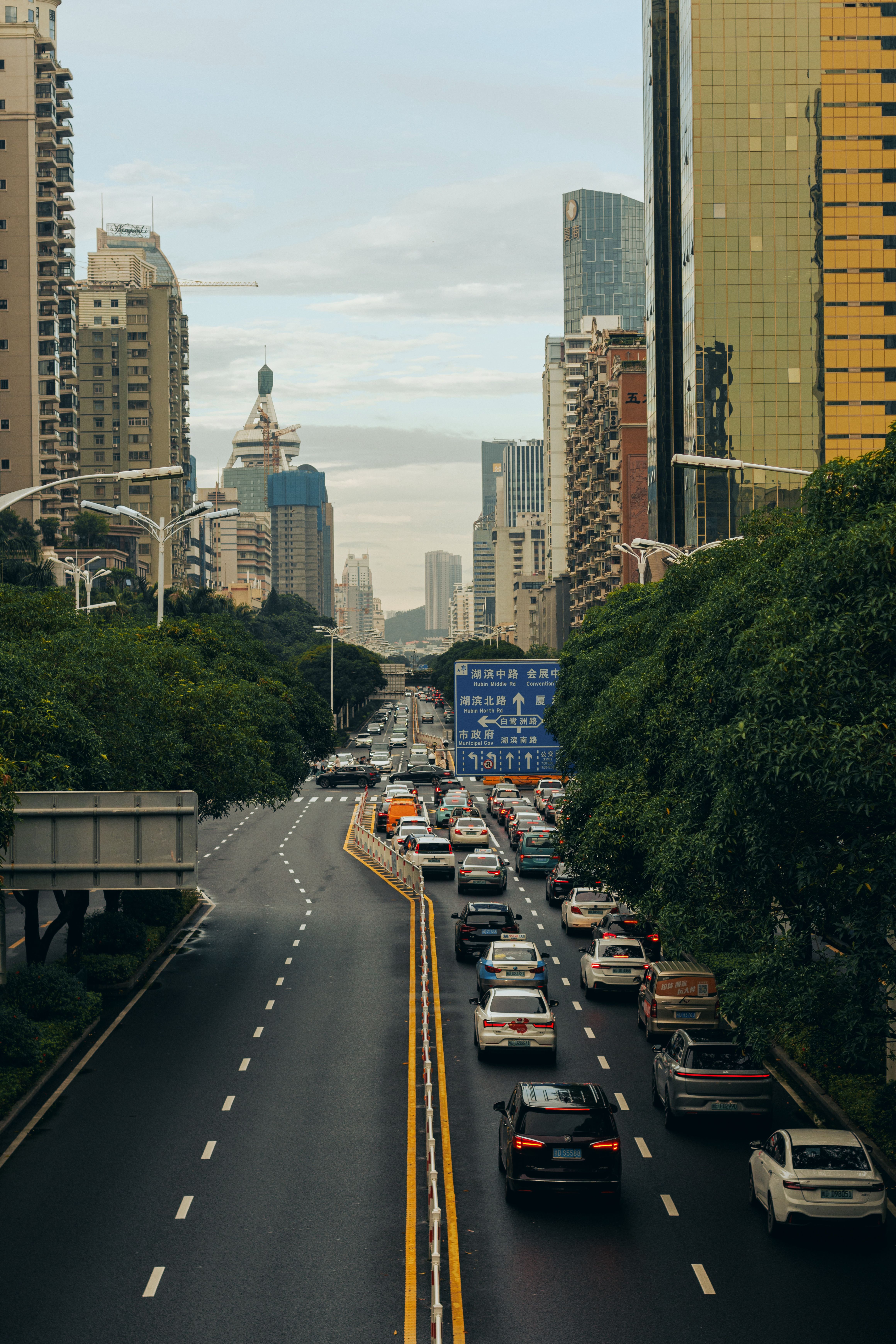
"Exploring AI's Role in the Future of Robotaxi Transportation"
Quick read below — save or share if useful.
As urban landscapes continue to evolve, the integration of technology in transportation is witnessing unprecedented transformation. Among the most promising advancements is the development of robotaxi services, aimed at reshaping how we navigate our cities. This initiative is not just about driverless vehicles, but also about leveraging artificial intelligence (AI) to optimize routes, enhance safety, and improve user experience. In this article, we will explore the vital role AI plays in the future of robotaxi transportation, examining its implications for the industry, consumers, and urban mobility as a whole.
The Emergence of Robotaxis
Robotaxis represent a significant shift in the transportation model, providing a cost-effective and efficient alternative to traditional taxi services. By harnessing the latest advancements in machine learning and data analysis, these autonomous vehicles are designed to navigate complex urban environments. The rationale behind robotaxi deployment revolves around the need for smarter, more sustainable urban mobility solutions that can reduce traffic congestion while providing an accessible alternative to private car ownership.
How AI Enhances Robotaxi Operations
At the heart of robotaxi systems is a suite of AI technologies that enable vehicles to interpret their surroundings and make split-second decisions. This includes:
- Real-time data processing: AI processes data from sensors and cameras installed in the vehicle, allowing it to understand and react to traffic conditions, obstacles, and pedestrians.
- Route optimization: By analyzing historical and live traffic data, AI can determine the most efficient routes, helping to reduce travel time and improve overall efficiency.
- Predictive maintenance: Leveraging AI for vehicle diagnostics can enhance reliability, as systems can predict when maintenance is needed, preventing breakdowns and ensuring safety.
Consumer Perceptions of Robotaxi Services
Understanding consumer perceptions is crucial for the successful deployment of robotaxi services. While many people are intrigued by the novelty of autonomous vehicles, concerns about safety and reliability persist. Studies indicate that individuals may be hesitant to use robotaxis due to fears about accidents or the technology's ability to navigate complex situations. As awareness grows and technology improves, these attitudes are likely to evolve.
Regulatory Challenges and Opportunities
As companies race to launch robotaxi services, regulatory frameworks are struggling to keep pace. Policymakers face the challenge of crafting regulations that ensure public safety while fostering innovation. Clear guidelines around testing, operation, and liability will be essential for building consumer trust and encouraging investment in this sector. Striking the right balance is critical for the long-term success and scalability of robotaxis.
The Future of Urban Mobility
The potential impact of robotaxi services extends beyond just transportation. As cities adopt these technologies, we may see broader changes in urban planning, with potential reductions in parking space requirements and enhanced public transport integration. Furthermore, accessibility for those who cannot drive, including the elderly and disabled, can improve significantly, creating more inclusive urban environments. However, this shift must be managed carefully to ensure equitable access to all community members.
FAQ
What is a robotaxi? A robotaxi is an autonomous vehicle that operates as a taxi service without a human driver, utilizing AI to navigate and transport passengers efficiently.
How does AI improve safety in robotaxis? AI enhances safety by processing real-time data, enabling vehicles to react quickly to their environment, predict potential hazards, and make informed decisions while driving.
What challenges do robotaxi services face? Robotaxi services face challenges including regulatory hurdles, consumer safety perceptions, and the need for robust infrastructure to support technology.
Why should cities invest in robotaxi technology? Investing in robotaxi technology can lead to reduced traffic congestion, better air quality, and improved accessibility options for residents, fostering more sustainable urban living.
In conclusion, the future of robotaxi transportation is intricately linked to advancements in AI and the evolving needs of urban dwellers. As technology matures and consumer perceptions shift, robotaxis may play an essential role in reshaping transportation in cities worldwide. Understanding these dynamics will be crucial for stakeholders aiming to leverage this promising innovation.
This article is part of the digital publishing network created by Ciro Irmici. Explore the creator portfolio here: Ciro Irmici Portfolio.
- 𝕏 Twitter: @0_Simone_0
- 🎥 YouTube: Audiobook Free – Author Ciro Irmici
- 📸 Instagram: @spartaco_94_
- 💻 Tech Trends: techtrendspins.blogspot.com
- 💪 Fitness Home Journal: fitnesshomejournal.blogspot.com
- 🐾 Pet Care Inspo: petcareinspo.blogspot.com
- 🌍 Nomad Vibes Board: nomadvibesboard.blogspot.com
- 💰 Crypto Radar Board: cryptoradarboard.blogspot.com
- 🌱 Green Planet Pins: greenplanetpins.blogspot.com
- 🥗 Healthy Eats Board: healthyeatsboard.blogspot.com
Enjoyed this post? Share it or explore more across my blogs and channels.