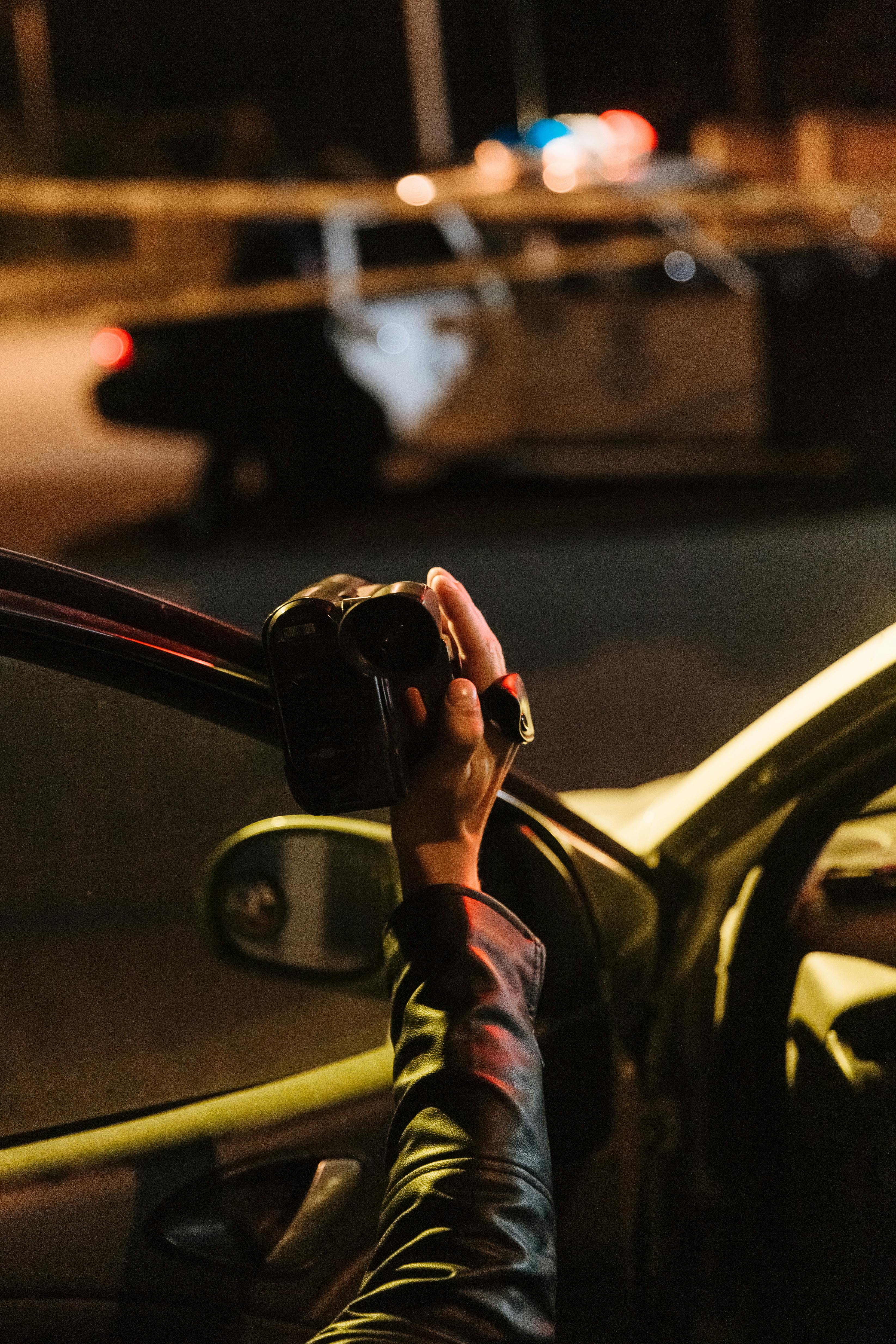
Americans Reject Police License Plate Cameras Amid Surveillance Concerns
Quick read below — save or share if useful.
As technology evolves, the debate surrounding surveillance tools in law enforcement becomes increasingly relevant. Recent surveys indicate that a majority of Americans are expressing opposition to the use of police license plate cameras, revealing significant public concern over privacy and the potential for misuse of surveillance data. This article explores the implications of this sentiment, the context behind the backlash, and what it means for law enforcement practices moving forward.
The Rise of Surveillance Technology in Law Enforcement
License plate readers (LPRs) have become a common tool for many police departments striving to enhance public safety and solve crimes. These devices scan and store images of vehicle license plates, allowing law enforcement to track vehicles linked to criminal activity. Proponents argue that LPRs improve crime-solving capabilities and help in locating stolen vehicles. However, as technology advances, so do concerns about surveillance overreach and violations of civil liberties.
Public Backlash Against License Plate Cameras
The recent survey results highlighting a greater number of Americans opposing police license plate cameras than supporting them suggest a noticeable shift in public sentiment. Many citizens are increasingly wary of how surveillance technology is deployed and the implications it has on their privacy. This backlash often stems from a perceived increase in police abuses related to the use of such cameras, intensifying calls for accountability and transparency in law enforcement practices.
Key Concerns Surrounding Police Surveillance
Opposition to police license plate cameras is rooted in several concerns:
- Privacy Violations: Many citizens feel that constant surveillance infringes on their right to privacy and personal freedom.
- Misuse of Data: Fears persist regarding how data collected from these cameras can be misused, whether for unwarranted surveillance or unauthorized access by non-law enforcement entities.
- Potential for Abuse: There are concerns about an increase in incidents where this technology might be used to target specific communities unjustly or inappropriately.
- Lack of Oversight: Without proper regulations, the vast arrays of data collected could lead to abuses and insufficient checks on police actions.
Implications for Law Enforcement and Policy
The backlash against police license plate cameras indicates a pressing need for law enforcement to reassess their surveillance strategies. As public confidence in police practices erodes, authorities may face increasing scrutiny and demand for reforms. Many experts suggest that transparency, community engagement, and stringent data policies are essential components moving forward. Implementing guidelines about data retention, access, and sharing could foster a more trust-based relationship between law enforcement and the communities they serve.
Global Perspectives on Surveillance Technology
The use of surveillance technology is a global issue, with varying degrees of acceptance and regulation in different countries. Some nations have adopted strict laws governing surveillance practices, prioritizing citizen privacy. Others have implemented less oversight, leading to public outcry and similar backlash experienced in the U.S. Understanding these diverse approaches can be instrumental in developing a balanced perspective on the use of technology in law enforcement.
Practical Takeaways
- Stay informed about local law enforcement practices and the tools they employ.
- Engage with community discussions surrounding police surveillance and your rights.
- Advocate for the implementation of clear policies that protect individual privacy while addressing public safety concerns.
- Support measures that promote transparency in law enforcement practices, including data usage regulations.
FAQ
What are police license plate cameras used for? License plate cameras are used to scan and store images of vehicle license plates to track vehicles involved in criminal activities.
Why are many Americans opposing police license plate cameras? Many Americans are concerned about privacy violations, potential misuse of data, and a lack of oversight regarding how the data is used.
In conclusion, the growing opposition to police license plate cameras underscores a significant shift in public attitudes towards surveillance and policing practices. As communities push for accountability and transparency, it remains crucial for law enforcement agencies to adapt and foster trust. This issue matters as it affects the very fabric of civil liberties, highlighting the need for a careful balance between public safety and personal privacy.
This article is part of the digital publishing network created by Ciro Irmici. Explore the creator portfolio here: Ciro Irmici Portfolio.
- 𝕏 Twitter: @0_Simone_0
- 🎥 YouTube: Audiobook Free – Author Ciro Irmici
- 📸 Instagram: @spartaco_94_
- 💻 Tech Trends: techtrendspins.blogspot.com
- 💪 Fitness Home Journal: fitnesshomejournal.blogspot.com
- 🐾 Pet Care Inspo: petcareinspo.blogspot.com
- 🌍 Nomad Vibes Board: nomadvibesboard.blogspot.com
- 💰 Crypto Radar Board: cryptoradarboard.blogspot.com
- 🌱 Green Planet Pins: greenplanetpins.blogspot.com
- 🥗 Healthy Eats Board: healthyeatsboard.blogspot.com
Enjoyed this post? Share it or explore more across my blogs and channels.