 Tech Trends Daily

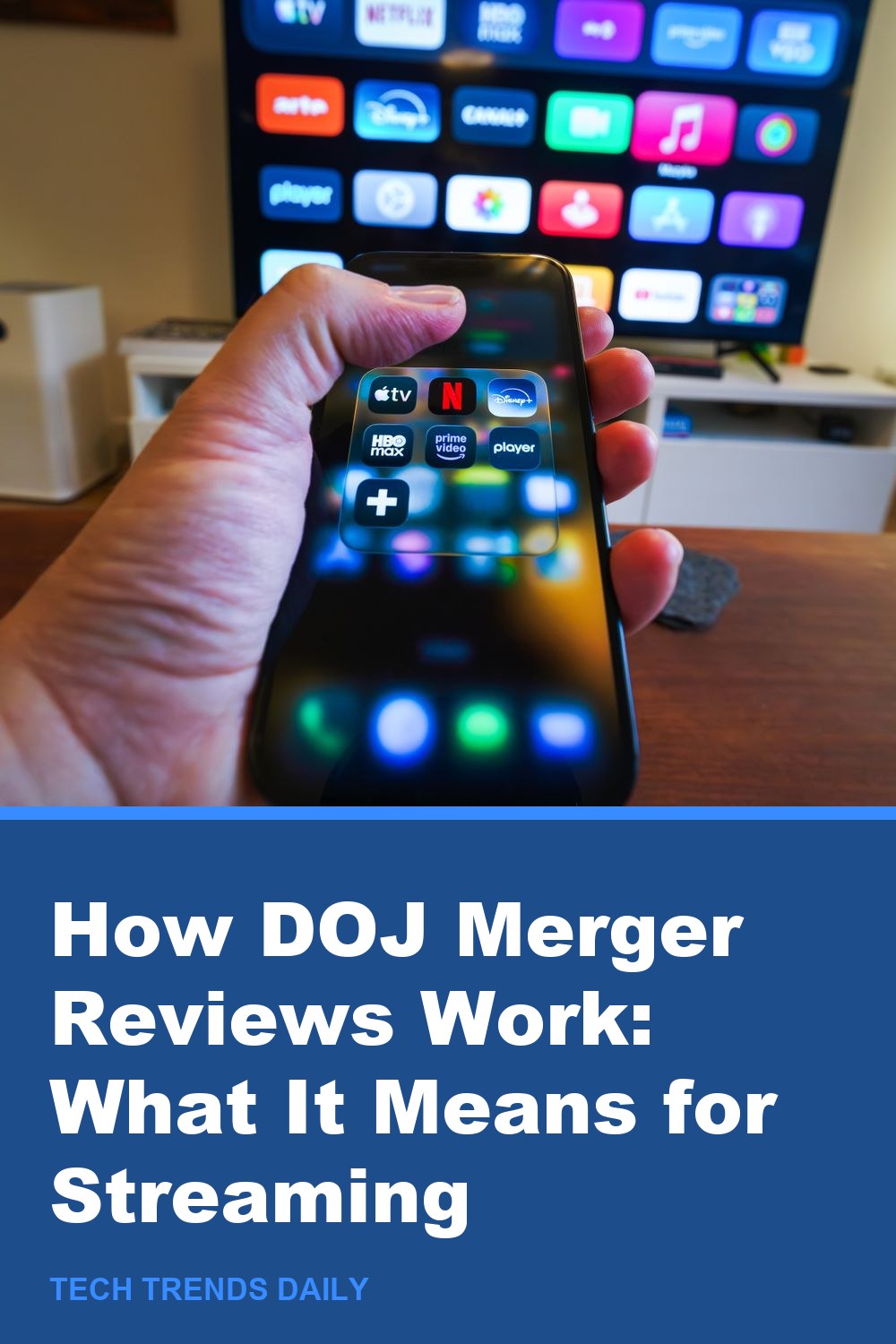

- A DOJ merger review asks one core question: could this deal stifle competition and hurt buyers through higher prices or fewer options?
- Fox's proposed $22 billion Roku acquisition is under closer DOJ inquiry, so the deal is still proposed and nothing about your Roku changes yet.
- Bigger streaming players can mean more content and better-targeted ads, or less competition and higher prices, so keep your subscriptions easy to switch.
A DOJ merger review is an antitrust check on a big deal. The Department of Justice looks at whether combining two companies could stifle competition, and whether that could leave buyers with higher prices, fewer options or less innovation. It matters right now because the DOJ is stepping up its inquiry into Fox's proposed $22 billion acquisition of Roku, which touches the platform and devices many people use to watch TV.
The question every DOJ merger review comes back to
Strip away the legal vocabulary and the review is about one thing: after this deal, will the market still be competitive? The DOJ is examining whether the Fox-Roku deal could stifle competition and create antitrust risks.
The reasoning behind that question is simple. When rivals compete, they have to keep prices reasonable and keep improving. When one company gets big enough to face less pressure, it can raise prices, cut choice or stop bothering to improve. A review tries to spot that risk before the deal closes rather than after.
What regulators check for in a media or tech deal
The Fox-Roku coverage points to the same handful of concerns that come up in most media and tech reviews:
- Competition: does the combined company face real rivals, or does the deal remove one?
- Consumer choice: could viewers end up with fewer options?
- Prices: could reduced competition push prices up?
- Market dominance: would a larger player gain undue influence over the digital marketplace?
- Innovation and smaller competitors: could smaller players struggle to compete, slowing new ideas?
None of these is a verdict. They are the questions a review has to answer, and the answers decide whether a deal looks harmless or risky.
Why the Fox-Roku deal is getting a harder look
Fox wants to buy Roku, known for its streaming platform and devices, for $22 billion. The deal could widen Fox's reach and reshape the media and streaming sector, which is exactly why the DOJ's scrutiny signals concern about consumer choice and about giving larger corporations too much influence.
There is a second layer. Critics have questioned how the DOJ handled earlier high-profile mergers, and have asked whether political influence plays a part in its decisions. Against that backdrop, the closer look at Fox-Roku could reflect a broader reassessment of how federal regulators enforce antitrust law in tech and media. If so, the outcome could lead to stricter guidelines for future mergers and change how companies plan acquisitions.
Merger activity in tech is also running at a high pace. More deals raise the odds of market fragmentation and monopolistic behavior, which is why oversight of each one matters.
If the deal goes through: what could change for viewers
A bigger company can help or hurt you. Here is how the possible outcomes line up:
- Possible upside: more content on streaming platforms, a better user experience, and combined advertising efforts that could mean better-targeted ads.
- Possible downside: less competition, which could mean higher prices or fewer options, plus a risk of market dominance that makes life harder for smaller players and slows innovation.
Note that "better-targeted ads" is a mixed blessing. It can mean more relevant ads, but it also means a larger company knows more about what you watch. If you care about privacy, treat it as a cost, not just a perk.
The DOJ's inquiry will play a sizable role in deciding which of these futures is more likely. That affects how millions of people access and choose what they watch.
What stays the same for now
This is a proposed deal under review. Reading about an inquiry is not the same as living through a merger. Your streaming device, your apps and your subscriptions work as they did yesterday. Nothing in the review process itself changes your bill or your channel lineup.
So do not rush to replace a device or cancel a service because of headlines. Do, however, take a few low-cost steps so you are not stuck if prices or options shift later.
Practical steps while the review plays out
- List what you pay for. Write down every streaming subscription and its monthly price. If prices rise later, you will know the baseline.
- Avoid long prepaid commitments. Month-to-month plans let you leave quickly if choice narrows or prices climb.
- Do not rely on one platform. If your whole setup runs through a single device or app, a second player on another input gives you an exit. Our guide on the right TV size for your room and distance helps if you are rethinking the setup anyway.
- Review your ad and privacy settings. If ad targeting gets more aggressive after any merger, you will know where to look.
- Treat deal-hunting claims with some skepticism. Promotions are not the same as lasting low prices. See whether AI deal finders really beat Black Friday prices before trusting any tool that promises savings.
- Follow the outcome, not the rumors. What matters is whether the DOJ lets the deal proceed and on what terms, and whether stricter merger guidelines follow.
Should you buy, wait or skip anything?
Wait on big moves. There is no reason to buy a new streaming device today because of this review, and no reason to dump your current one. If you need a spare player so you are not tied to a single platform, a basic one is cheap insurance. Otherwise, keep your plans flexible and let the DOJ's decision show where prices and choice are heading.
As an Amazon Associate I earn from qualifying purchases: if you buy through these links I may earn a small commission, at no extra cost to you. Each link opens a search on the Amazon store for your country.
Photo: Jakub Zerdzicki / Pexels

I'm an Italian creator who builds apps, games and websites. I run Tech Trends Daily with the help of AI tools: every article starts from the sources linked above, and I check what goes out. I'm not a doctor, a lawyer or a financial adviser. Spotted a mistake or have an idea? Write to me.
Instagram @spartaco_94_My websiteWrite to meAbout this blog










 Simulated Lives: Are We Already Living in a Matrix?
 The Physics of Space Travel: Exploring Faster-Than-Light Travel
 Speed Reading: The 3-Book Bundle





