 Tech Trends Daily

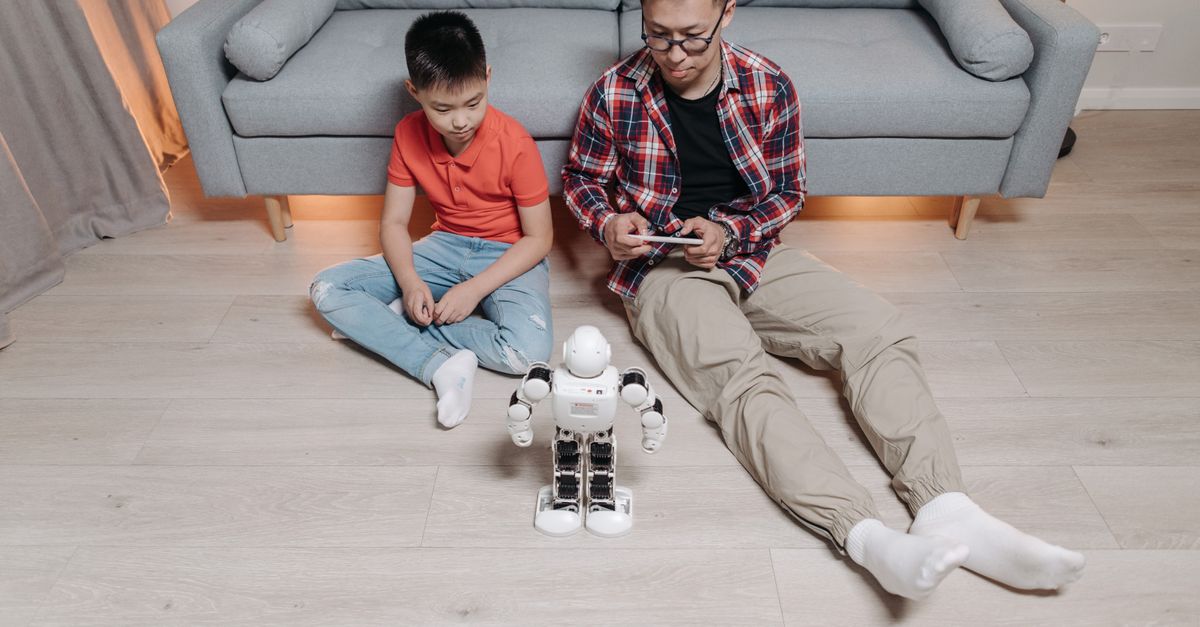
The holiday season might have just found its new must-have gift: Microduck robots. These charming, voice-commanded mini-robots caught the attention of Nvidia’s CEO Jensen Huang during his keynote at GTC Berlin, sparking viral interest and prompting a surge of over 20,000 preorders in just one day, according to sources. While their tiny feet stomp and their playful R2-D2-like sounds amuse, the Microducks represent more than just novelty toys—they reflect the growing convergence of AI, robotics, and consumer gadgets heading into the holidays.
Why this matters
The rise of Microduck robots is a vivid example of how artificial intelligence and robotics are increasingly entering everyday life—not only in advanced applications like autonomous vehicles or industrial automation but also as accessible consumer products. With AI-powered behaviors and open-source design, these robots demonstrate tech companies’ ability to blend cutting-edge innovation with playfulness and personality. For the tech industry, it shows the potential market appetite for robots that combine education, entertainment, and customization in a compact, approachable form.
This trend highlights how AI frameworks developed for high-tech uses—leveraging Nvidia’s GPU technology stack, for instance—can spin off into vibrant consumer experiences. Moreover, as robotics companies like Pollen Robotics integrate with AI leaders such as Hugging Face (which Nvidia acquired in 2025), the pathway from research to retail becomes shorter and more dynamic. Products like Microducks showcase the tangible human-robot interaction that can help foster public acceptance and comfort with robotics, paving the way for broader adoption.
What is happening
During Nvidia’s recent GTC Berlin conference, CEO Jensen Huang shared a now-viral moment playing with the Microduck robots. These small devices respond to voice commands by sitting, walking, performing somersaults, and even “falling dead” for a playful nap. Their combination of quirky, robotic sounds and lively movements captivated conference attendees and online viewers alike.
Microducks are the second robot from Pollen Robotics, a company acquired by Hugging Face in 2025, which Nvidia also took under its wing by purchasing Hugging Face earlier this year. This makes Microducks, developed with Nvidia’s AI and GPU technologies, something of an in-house innovation product for Nvidia. The robots come shipped with a series of pre-trained basic tricks learned through simulations powered by Nvidia’s technology stack. Importantly, owners can train their Microducks with new behaviors and share these capabilities with the community, highlighting the robots’ open-source character.
According to a tweet from Hugging Face’s Clem Delangue, preorders crossed the 20,000 mark within a day after the viral video, with deliveries expected in time for Christmas. The device’s appeal crosses age groups, with promotional content showing adults engaging with the robots, indicating the potential for Microducks to become a hit beyond just children’s toys.
What readers can take away
- Microducks illustrate how AI and robotics are moving into mainstream consumer products, blending educational and fun elements that attract multiple demographics.
- The open-source nature of the Microduck encourages user customization and community sharing, fostering a more engaged and participatory ownership experience.
- Major technology companies like Nvidia are increasingly integrating robotics into their AI ecosystems, leveraging their hardware and software assets to create new interactive devices.
- Voice command interactions paired with reactive, expressive behaviors are becoming key aspects of how future robots will connect with users in homes and workplaces.
- The success of such consumer robots can help shift public perceptions about AI and robotics from obscure technology to everyday companions and tools.
What to watch next
The rollout and delivery of Microducks this holiday season will be a critical moment for gauging consumer interest in AI-powered robotics as gifts and gadgets. Tracking sales numbers and user feedback after the initial wave of deliveries will provide valuable insight into how well these types of products can sustain momentum beyond a novelty phase.
Additionally, the evolution of training capabilities for Microducks through community sharing will be important to follow. As more users program new tricks and behaviors, the ecosystem around these robots may expand, potentially driving further innovation and use cases.
FAQ
What exactly are Microduck robots?
Microducks are small, AI-driven robots created by Pollen Robotics and powered by Nvidia’s AI and GPU technology. They respond to voice commands with movements and behaviors like walking, sitting, and somersaults. Designed to be open source, users can train them with new tricks and share those achievements with the community.
Why did Microducks become so popular so quickly?
The combination of their adorable design, playful personality, and the viral exposure from Nvidia CEO Jensen Huang’s keynote helped boost public interest nearly overnight. Their open-source and customizable features further add appeal by making them more than just toys—they’re also interactive tech companions.
Are Microduck robots just for kids?
Although Microducks are marketed as toys, their appeal extends to adults as well. Promotional videos show grown-ups engaging with the robots, suggesting that this playful technology may find a broader audience interested in robotics, AI, and gadgetry.
Original source: read more here.

I'm an Italian creator who builds apps, games and websites. I run Tech Trends Daily with the help of AI tools: every article starts from the sources linked above, and I check what goes out. I'm not a doctor, a lawyer or a financial adviser. Spotted a mistake or have an idea? Write to me.
Instagram @spartaco_94_My websiteWrite to meAbout this blog










 Simulated Lives: Are We Already Living in a Matrix?
 The Physics of Space Travel: Exploring Faster-Than-Light Travel
 Speed Reading: The 3-Book Bundle





