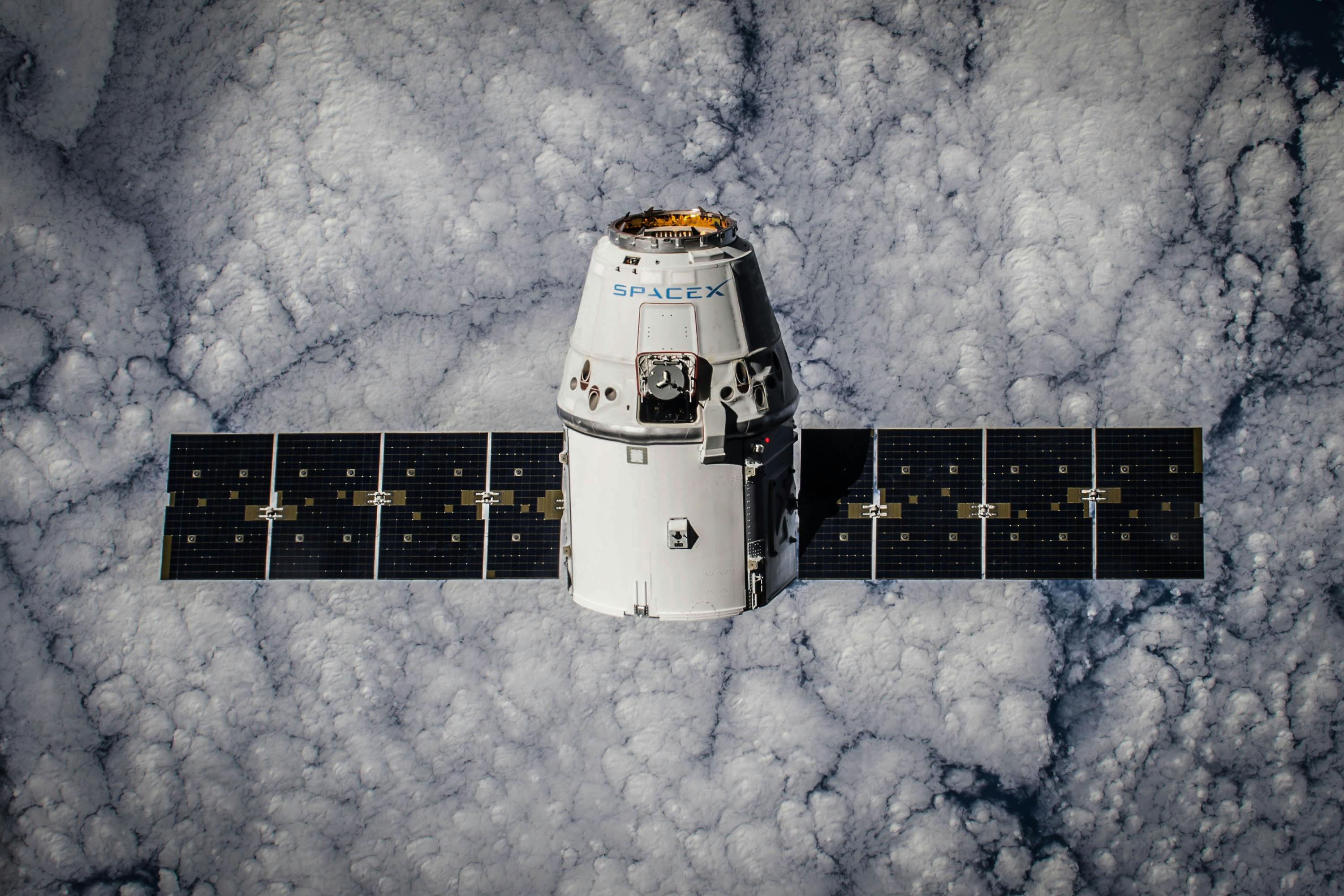
Private Space Pilots Conduct Orbital Missions for U.S. Space Force
Quick read below — save or share if useful.
In an era where private enterprises are increasingly involved in national security, the U.S. Space Force is looking beyond traditional military avenues to partner with commercial space companies. Recently, two leading players in the aerospace industry, True Anomaly and Rocket Lab, have begun conducting orbital missions that resemble a modern-day version of military training exercises. This innovative approach highlights an emerging trend where private space pilots perform sophisticated satellite fly-bys, expanding the capabilities of the U.S. military through collaboration with private sector expertise.
The New Face of Military Space Operations
Traditionally, space operations have been the prerogative of government agencies. However, the involvement of private firms like True Anomaly and Rocket Lab illustrates a pivotal shift. These companies are able to leverage their agility, technological advancements, and cost-effectiveness to meet the demands of national defense. By engaging private space pilots for specific missions, the U.S. Space Force can focus its resources on broader strategic initiatives while relying on specialized capabilities from commercial partners.
True Anomaly and Rocket Lab: Key Players in the Space Arena
True Anomaly is known for its focus on creating space systems and services that enhance operational capabilities in orbit. By offering their services to the military, they enable the rapid deployment of satellite reconnaissance and data-gathering operations.
Rocket Lab, on the other hand, has a long-standing reputation for its reliable launch services and advanced satellite technology. Their collaboration with the military demonstrates an understanding of the intricate balance between innovation and security, offering solutions that are both efficient and effective.
What Is a Satellite Fly-By?
A satellite fly-by involves a spacecraft maneuvering close to another object in space, often for the purpose of observation or data collection. These operations can serve various strategic purposes, such as gathering intelligence on foreign satellites or monitoring space debris. The implementation of fly-bys is a testament to the growing complexity of space operations and the need for precise execution in increasingly thick orbital environments.
Practical Takeaways for Readers
- Understanding the role of private companies in military space operations sheds light on the evolving landscape of national defense.
- Satellite fly-bys represent a fusion of commercial technology and military necessity, enhancing operational understanding in outer space.
- Public awareness of these missions creates a dialogue about the implications of privatizing aspects of national defense.
- As commercial space operations expand, so too does the importance of responsible regulation and oversight.
- The collaboration between private entities and the military illustrates how innovation in the commercial sector can help solve complex security challenges.
FAQ
What is the U.S. Space Force’s role in these missions? The U.S. Space Force oversees various space operations and has partnered with private companies to enhance its capabilities through innovative missions.
How might these collaborations change the future of space exploration? By utilizing private firms, the U.S. Space Force can increase efficiency and leverage advanced technology while allowing government resources to focus on strategic goals.
In conclusion, the involvement of private space pilots in orbital missions for the U.S. Space Force marks a significant development in both military strategy and commercial aerospace. As both sectors merge, the implications for national security, technological advancement, and public engagement are profound. Understanding these shifts is essential for recognizing how innovation can meet the complex challenges of tomorrow's space landscape.
This article is part of the digital publishing network created by Ciro Irmici. Explore the creator portfolio here: Ciro Irmici Portfolio.
- 𝕏 Twitter: @0_Simone_0
- 🎥 YouTube: Audiobook Free – Author Ciro Irmici
- 📸 Instagram: @spartaco_94_
- 💻 Tech Trends: techtrendspins.blogspot.com
- 💪 Fitness Home Journal: fitnesshomejournal.blogspot.com
- 🐾 Pet Care Inspo: petcareinspo.blogspot.com
- 🌍 Nomad Vibes Board: nomadvibesboard.blogspot.com
- 💰 Crypto Radar Board: cryptoradarboard.blogspot.com
- 🌱 Green Planet Pins: greenplanetpins.blogspot.com
- 🥗 Healthy Eats Board: healthyeatsboard.blogspot.com
Enjoyed this post? Share it or explore more across my blogs and channels.