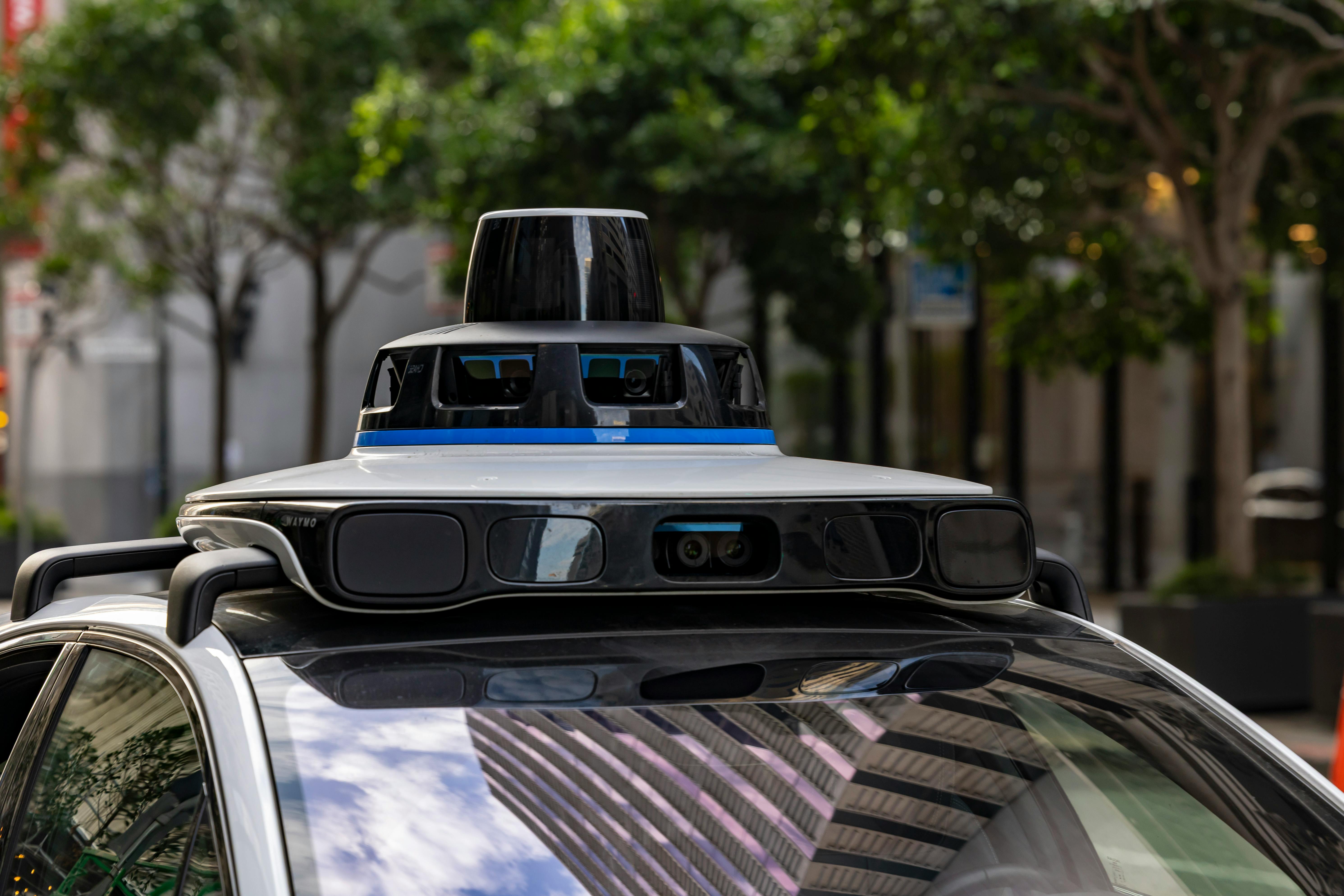
Waymo Considers Ending Partnership with Uber Ahead of 2028 Contract Expiry
Quick read below — save or share if useful.
Waymo’s decision to reevaluate its partnership with Uber as the end of their contract approaches raises important questions about the future of both companies in the rapidly evolving transportation landscape. While the contract between Waymo and Uber currently extends until May 2028, insights into their partnership dynamics suggest that both companies may be contemplating strategic directions that could reshape their collaboration or lead them to part ways.
The Current Partnership Landscape
Waymo, a leader in autonomous vehicle technology, has made significant strides in the ride-hailing space, a market where Uber is a household name. However, as the transportation ecosystem evolves, the strategic interests of both companies could diverge. The partnership has historically focused on leveraging Waymo's self-driving technology within Uber's expansive network. Yet, with advancements in technology and shifting market demands, the sustainability and effectiveness of this partnership are under scrutiny.
Implications of a Potential Split
If Waymo and Uber were to part ways, the implications could be substantial for both entities. For Waymo, separating from Uber could mean an opportunity to refine its ride-hailing services and develop a more cohesive brand identity without the complexities of the partnership. On the other hand, Uber may need to explore alternative partnerships or invest in developing its own autonomous vehicle technology, which could be a significant undertaking given the competitive landscape.
What This Means for Consumers
A shift in the direction of either Waymo or Uber could significantly affect consumers. Individuals using ride-hailing services may experience changes in service availability, pricing structures, and the quality of rides. Furthermore, as both companies seek to leverage technology advancements, the types of vehicles and the user experience could evolve, impacting consumer preferences and behaviors in this space.
Looking Ahead: Strategic Directions
As both companies evaluate their futures, potential scenarios could unfold. For instance:
- Expanded Focus on Autonomous Solutions: Waymo might delve deeper into its core competencies, enhancing its technology and services independent from Uber.
- Increased Competition: If Uber decides to pursue its own autonomous initiatives, it could lead to fierce competition in the ride-hailing sector, potentially lowering prices for consumers.
- Collaborative Innovations: Should they continue to collaborate, both companies might further innovate, combining their strengths to address safety, user experience, and service efficiency.
Market Reactions and Future Outlook
The market generally responds to such potential splits with a mix of skepticism and optimism. Investors and analysts often assess how a breakup or renewed partnership could impact stock prices, company viability, and overall market trends in the autonomous and ride-hailing sectors. Observers will closely monitor how each company's strategies evolve in light of this potential change, which could serve as a barometer for broader industry shifts.
FAQ
Question? What are the main factors influencing Waymo's consideration of ending its partnership with Uber?
Answer: Factors may include the evolving competitive landscape, divergent strategic interests, and the need for both companies to solidify their identity and operations as the market for autonomous technology matures.
In conclusion, the contemplation of a breakup between Waymo and Uber is significant as it not only signals the ongoing evolution in the transportation sector but also highlights the challenges and opportunities that companies face as they navigate this complex landscape. Understanding the dynamics at play is crucial for stakeholders, investors, and consumers alike as we look toward the future of mobility.
This article is part of the digital publishing network created by Ciro Irmici. Explore the creator portfolio here: Ciro Irmici Portfolio.
- 𝕏 Twitter: @0_Simone_0
- 🎥 YouTube: Audiobook Free – Author Ciro Irmici
- 📸 Instagram: @spartaco_94_
- 💻 Tech Trends: techtrendspins.blogspot.com
- 💪 Fitness Home Journal: fitnesshomejournal.blogspot.com
- 🐾 Pet Care Inspo: petcareinspo.blogspot.com
- 🌍 Nomad Vibes Board: nomadvibesboard.blogspot.com
- 💰 Crypto Radar Board: cryptoradarboard.blogspot.com
- 🌱 Green Planet Pins: greenplanetpins.blogspot.com
- 🥗 Healthy Eats Board: healthyeatsboard.blogspot.com
Enjoyed this post? Share it or explore more across my blogs and channels.