Hadrian Secures $1.37B Funding to Revolutionize Defense Vehicle Production
Quick read below — save or share if useful.
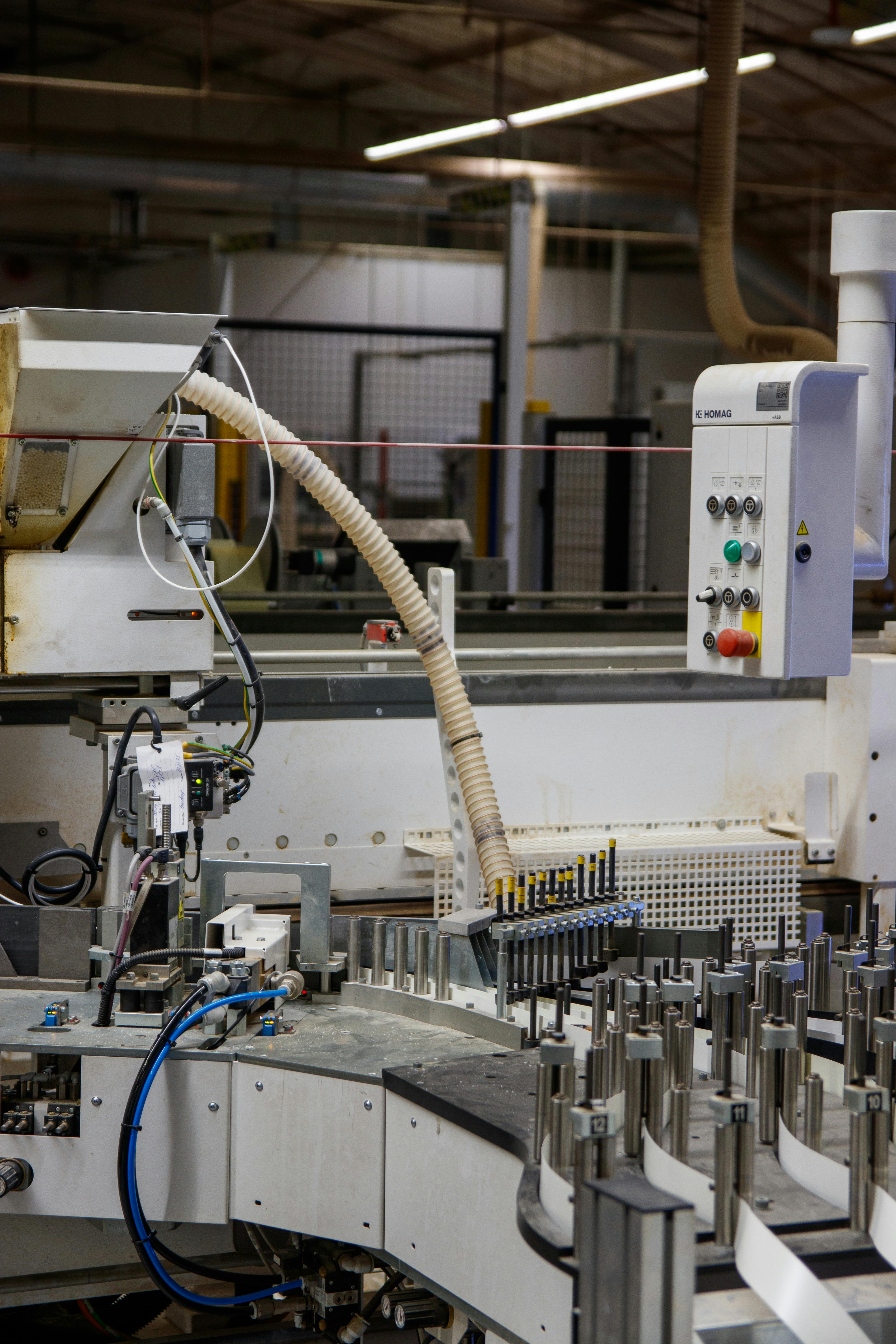
Hadrian, a pioneering defense technology company, has recently made headlines with its successful funding round, securing an impressive $1.37 billion at an $8 billion valuation. This significant investment underscores a growing trend towards modernizing the defense sector, particularly in terms of how vehicles and parts are produced. Central to Hadrian's mission is the establishment of automated factories designed to mass-produce components for defense vehicles, including submarines. This move could transform the logistics and supply chain processes within the military domain, enhancing efficiency and effectiveness.
Why Defense Production Needs Innovation
The defense industry, traditionally known for its complex and lengthy production cycles, is facing increasing pressure to innovate. With global tensions rising and demands for advanced military capabilities growing, there's a critical need for manufacturers to streamline operations. Employing automated factories, like those Hadrian is developing, could significantly reduce lead times and costs associated with traditional production methods. By incorporating modern technologies, Hadrian aims to provide the military with timely, reliable components that can enhance operational readiness.
The Investment Landscape
Hadrian's funding round attracted a variety of high-profile investors, reflecting a broader interest in defense technology startups. The $1.37 billion infusion is not just a testament to Hadrian's potential, but also indicative of the ongoing shift in investment strategies towards sectors that support national security. Investors are increasingly recognizing that advancements in technology can lead to substantial returns, especially as defense budgets continue to grow and evolve to meet new threats.
Current Challenges in the Defense Sector
Challenges facing the defense sector include rising costs, outdated manufacturing processes, and the need for rapid adaptation to emerging threats. These issues have led to a focus on efficiency and modernization. Hadrian's approach to automate production processes aims to address these challenges head-on. By leveraging advanced manufacturing techniques, the company seeks to lower production costs while maintaining high-quality standards necessary for defense applications.
Implications for the Future of Defense Manufacturing
The advent of automated factories in defense manufacturing carries several implications. Firstly, it could lead to a reduction in the workforce needed for certain production processes, prompting workforce re-training and job evolution within the industry. Secondly, it has the potential to expedite the delivery of critical components, which is essential for meeting operational demands. Lastly, increased investment in defense tech may encourage further innovation in related fields, potentially benefiting civilian industries as well.
Takeaways for Readers
- Automated production is transforming defense manufacturing, making it more efficient.
- Investment in defense startups is on the rise, reflecting the importance of modern technologies.
- Addressing manufacturing challenges can lead to quicker response times in national security scenarios.
- Workforce adaptation will be necessary as the industry evolves with technology.
- Continued funding in this sector may spur growth in related technology fields.
FAQ
What is Hadrian's primary focus? Hadrian focuses on building automated factories to mass-produce parts for defense vehicles.
How much funding did Hadrian recently secure? Hadrian secured $1.37 billion in its latest funding round.
What is the significance of this funding? The funding highlights the growing interest and investment in defense technology innovations.
In conclusion, Hadrian's substantial funding signalizes a pivotal shift within the defense industry towards more efficient manufacturing processes. As companies like Hadrian streamline production through automation, the implications for national security, industrial efficiency, and workforce dynamics will become increasingly significant. This movement not only addresses current challenges but also paves the way for transformative changes in how defense capabilities are developed and deployed.
This article is part of the digital publishing network created by Ciro Irmici. Explore the creator portfolio here: Ciro Irmici Portfolio.
- 𝕏 Twitter: @0_Simone_0
- 🎥 YouTube: Audiobook Free – Author Ciro Irmici
- 📸 Instagram: @spartaco_94_
- 💻 Tech Trends: techtrendspins.blogspot.com
- 💪 Fitness Home Journal: fitnesshomejournal.blogspot.com
- 🐾 Pet Care Inspo: petcareinspo.blogspot.com
- 🌍 Nomad Vibes Board: nomadvibesboard.blogspot.com
- 💰 Crypto Radar Board: cryptoradarboard.blogspot.com
- 🌱 Green Planet Pins: greenplanetpins.blogspot.com
- 🥗 Healthy Eats Board: healthyeatsboard.blogspot.com
Enjoyed this post? Share it or explore more across my blogs and channels.